 By erome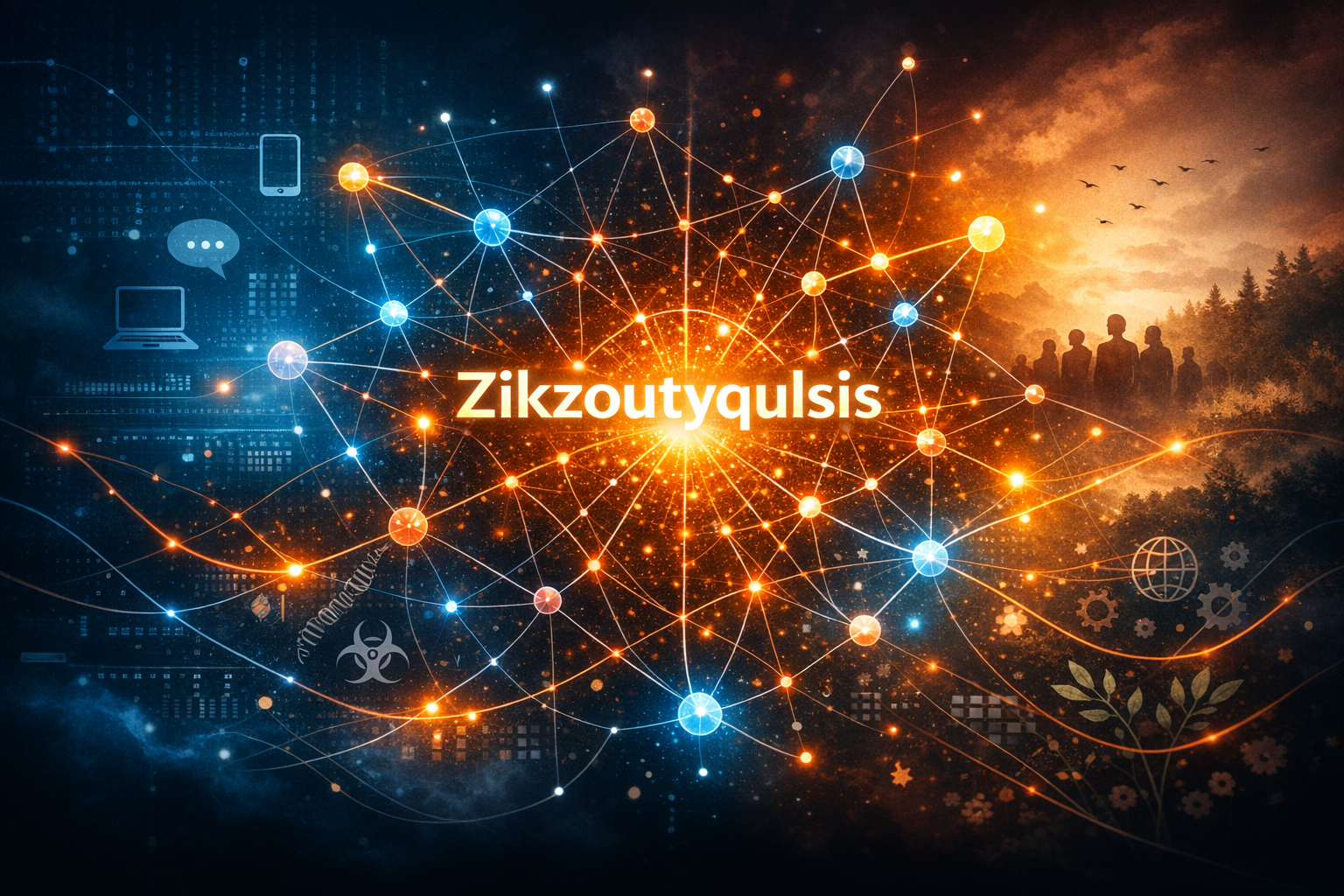
The phenomenon of “zikzoutyqulsis spread” has sparked increasing interest among scientists, researchers, and curious observers alike. Although the term may appear obscure and complicated at first glance, its study provides profound insights into how complex systems transmit influences, information, or elements across networks. Unlike simple linear spread seen in traditional contexts, zikzoutyqulsis exhibits multi-layered, dynamic, and adaptive propagation, making it relevant across biology, technology, social sciences, and even cultural ecosystems.
This article explores zikzoutyqulsis spread in depth—covering its origins, mechanisms, influencing factors, real-world examples, detection methods, and strategies for mitigation—offering a comprehensive understanding for both experts and general readers.
Understanding Zikzoutyqulsis Spread: Definition and Origins
The term “zikzoutyqulsis” emerged in modern research to describe complex propagation patterns that cannot be explained by traditional linear or simple diffusion models. It refers to how entities, whether they are ideas, information, biological agents, or technological innovations, spread through interconnected networks with multi-layered interactions and adaptive feedback mechanisms.
Unlike conventional viral spread, which often follows predictable paths, zikzoutyqulsis involves non-linear pathways, overlapping channels, and evolving dynamics, making its pattern inherently unpredictable. Its study originated in niche academic fields like network theory, complex systems, and ecological modeling, but the concept quickly found broader relevance due to its applicability in understanding phenomena such as:
- Viral misinformation online
- Rapid adoption of new technologies
- Cultural diffusion across societies
- Invasive species spreading in ecosystems
In essence, zikzoutyqulsis serves as a metaphor and model for understanding how complexity influences spread in real-world systems.
The Core Mechanisms Behind Zikzoutyqulsis Spread
The spread of zikzoutyqulsis is influenced by multiple interacting mechanisms. Unlike simple propagation, it relies on network connectivity, feedback loops, and adaptive agents. Key mechanisms include:
1. Network Topology and Connectivity
In any system, entities (nodes) and their relationships (edges) form a network. The structure or topology of this network determines how quickly and extensively zikzoutyqulsis can spread. For example:
- Dense networks with many interconnections allow faster propagation.
- Sparse networks with isolated clusters slow the spread or create fragmented dissemination.
Highly connected hubs or influencers in social networks or central nodes in technological systems can act as super-spreaders, amplifying the reach dramatically.
2. Multi-Layered Interactions
Zikzoutyqulsis is rarely confined to a single mode of transmission. Instead, it spreads simultaneously across multiple layers, such as:
- Physical presence or proximity
- Online platforms and digital networks
- Social, cultural, or professional interactions
The interplay between these layers creates a compounding effect, accelerating the propagation and allowing it to reach areas that might otherwise remain isolated.
3. Adaptive Feedback Loops
One defining feature of zikzoutyqulsis is its ability to adapt. Entities involved in the spread can adjust behavior based on real-time information:
- Amplifying propagation if conditions are favorable
- Dampening spread when resistance or barriers appear
This feedback-driven mechanism makes the spread dynamic, often unpredictable, and capable of sudden surges or declines.
Factors Influencing Zikzoutyqulsis Spread
The effectiveness and pattern of zikzoutyqulsis spread are determined by both internal factors (related to the entities) and external factors (related to the environment and system). Key influencers include:
Environmental Conditions
The surrounding environment significantly impacts propagation. Conditions that support connectivity, resource availability, and interaction opportunities promote wider and faster spread. Conversely, restrictive or isolated environments act as natural barriers, limiting dissemination.
Agent Characteristics
The properties of the agents involved—whether biological, informational, or technological—affect how quickly and widely zikzoutyqulsis spreads. High adaptability, mobility, or influence allows agents to traverse networks efficiently and reach new nodes.
Human Behavior and Societal Structures
In human-centric systems, social behavior plays a critical role. Societies with open communication channels, strong social networks, and active participation see accelerated spread, whereas rigid or fragmented societies experience slower propagation. Cultural norms, collective beliefs, and even emotional responses can modulate how zikzoutyqulsis propagates.
Real-World Examples of Zikzoutyqulsis Spread
Although theoretical, the concept of zikzoutyqulsis has numerous real-world parallels:
- Information Networks
Trending topics, viral content, and misinformation often spread across multiple digital platforms simultaneously, illustrating multi-layered dissemination. - Ecosystems and Invasive Species
The introduction of a species into a new habitat triggers cascading ecological effects, where multiple interactions between species and environment accelerate adaptation and spread. - Technological Adoption
Innovations propagate through markets and consumer networks in complex, non-linear ways, often influenced by peer recommendations, social proof, and early adopter networks.
These examples highlight the universality of zikzoutyqulsis as a model for understanding complex propagation across diverse domains.
Detecting and Tracing Zikzoutyqulsis Spread
Monitoring zikzoutyqulsis spread requires sophisticated analytical techniques, often combining network science, real-time data, and predictive modeling:
- Graph Theory: Mapping networks to identify clusters and key nodes.
- Temporal Analysis: Understanding the speed and pathways of propagation.
- Predictive Modeling: Forecasting future spread based on current trends and agent interactions.
These tools enable researchers and practitioners to anticipate surges, implement interventions, and manage complex spread dynamics effectively.
Mitigating and Managing Zikzoutyqulsis Spread
Controlling the spread of zikzoutyqulsis is challenging but possible with multi-layered strategies:
Strategic Interventions
Targeting critical nodes or links that disproportionately influence spread can significantly slow down propagation. This approach is common in epidemiology and information control.
Education and Awareness
Raising awareness about the phenomenon encourages responsible behavior, reducing unintentional amplification of spread, especially in digital and social networks.
Technological Solutions
Advanced monitoring platforms, automated alerts, and response systems allow organizations to track spread in real time and take timely corrective actions.
Broader Implications of Understanding Zikzoutyqulsis
Studying how zikzoutyqulsis spreads offers insights that extend far beyond theoretical interest:
- Societal Resilience: Understanding propagation helps societies respond effectively to crises or misinformation.
- Business Strategy: Companies can optimize market penetration and adoption strategies.
- Ecological Management: Predicting species introduction or environmental changes improves sustainability planning.
- Technological Innovation: Forecasting spread dynamics can accelerate the safe adoption of new technologies.
Ultimately, knowledge of zikzoutyqulsis equips decision-makers with tools to navigate complex interconnected systems more efficiently.
FAQs About Zikzoutyqulsis Spread
1. What is zikzoutyqulsis?
It is a complex propagation phenomenon describing how elements spread through interconnected, multi-layered, and adaptive networks.
2. How is it different from typical spread?
Unlike linear or simple diffusion, zikzoutyqulsis involves adaptive, feedback-driven, and multi-dimensional spread patterns.
3. Can it be controlled?
Yes, through strategic interventions targeting influential nodes, monitoring spread, and using technology to mitigate propagation.
4. Which fields benefit from understanding it?
Epidemiology, social sciences, information technology, business strategy, and ecology all benefit from insights into zikzoutyqulsis.
5. How can I detect it in a network?
Using network analysis tools, real-time monitoring, and predictive models can help detect early signs of spread and facilitate timely action.
Conclusion
The phenomenon of zikzoutyqulsis spread demonstrates the complexity of propagation in interconnected systems. Its multi-layered interactions, adaptive feedback loops, and dependence on environmental and agent-specific factors make it highly dynamic and often unpredictable. By understanding its mechanisms, we gain the ability to anticipate, manage, and influence spread, whether in information systems, ecological networks, social structures, or technological environments. Embracing this knowledge enhances our capacity for resilience, strategic planning, and informed decision-making in an increasingly interconnected world.
By studying zikzoutyqulsis, we uncover a blueprint for understanding complex systems, turning an abstract phenomenon into practical insights for science, society, and technology.